


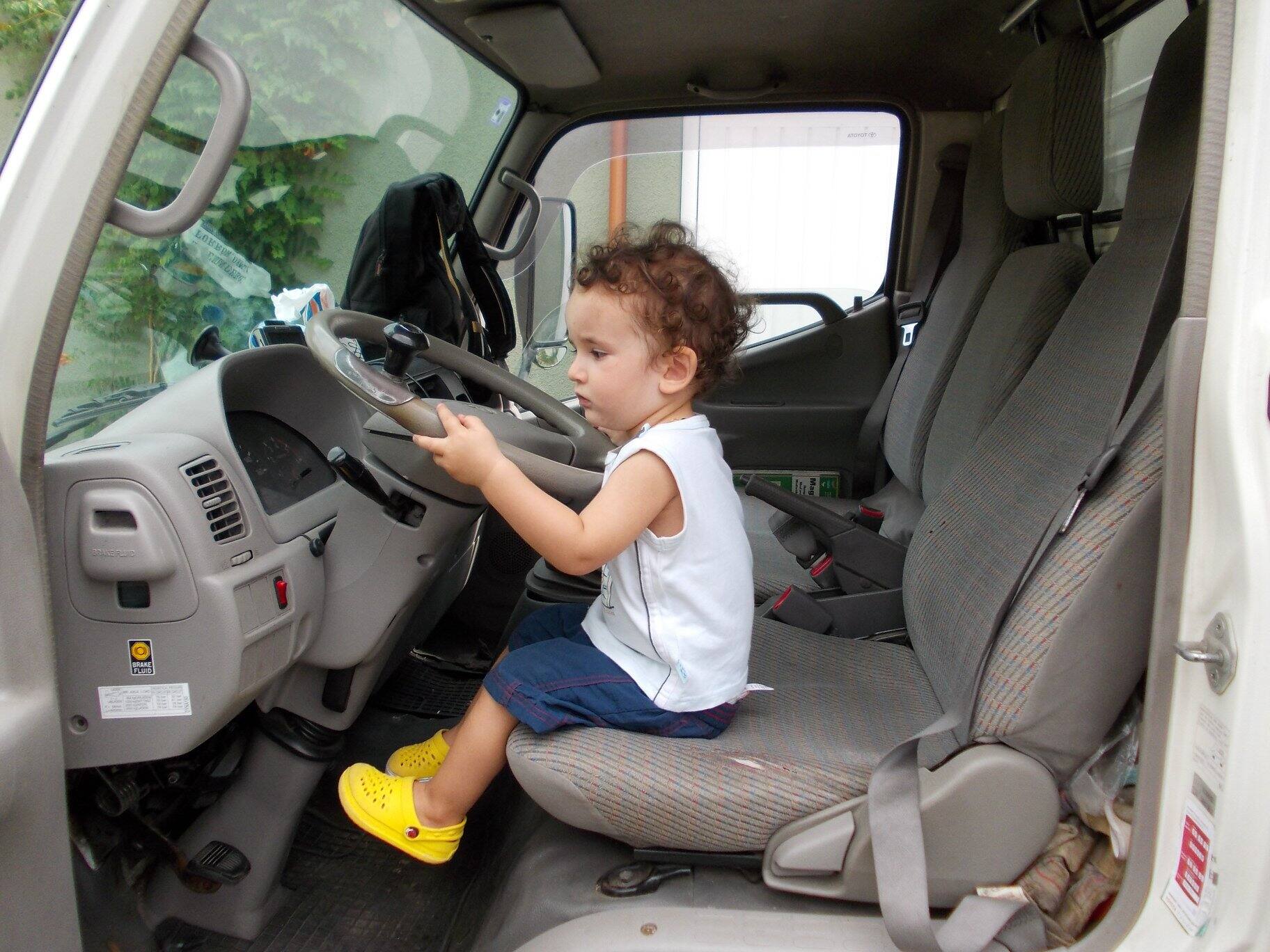
Moving with children and pets goes well when everyone knows what is happening: the child takes part in decisions and gets their own task, and the dog and cat keep their familiar things and routines. We have collected what has worked for our clients before the move, on moving day and in the first weeks.
For adults a move is logistics, but for a child or a pet it means losing the environment that makes them feel safe. That is why most of these tips are not about packing but about keeping the change predictable.
How to involve your child in the move?
- Let them see the new flat. If possible, take your child to the viewing and let them feel they are part of the decision.
- Talk openly. Tell them why you are moving, where their new room will be, and that they can make new friends at the new kindergarten or school.
- Give them a task of their own. An older child can pack their own toys or books; a younger one can choose which box will be theirs.
- Help them say goodbye. Encourage them to say goodbye to their friends and ask for their phone numbers.
- Plan an activity in the new place as soon as possible. An after-school activity or sports club speeds up making new friends.
What helps a preschooler, and what helps a teenager?
A child just starting nursery is learning at this time how to separate from their parents and become more independent; a move can cause some anxiety at this stage. This can be reduced by continually telling them what is happening and showing the good side too: a new room, a new playground. A small child understands much more than they communicate, so it is worth explaining to them as well.
The older the child, the harder the move, because friends matter more and more. Give a teenager a say in how their room is furnished, and keep an eye on them after the move too: the harder weeks often come not on moving day but in the first month.
How to move with a cat?
Cats find a new situation hard, so keep your cat indoors in the new flat for the first two weeks. When you first let it out, do it just before feeding time, so it has a reason to come home. Don't change its bed, bowl or food around moving day: change only one thing at a time, and preferably later.
How to move with a dog?
A dog is usually calmer, but it is also true for them that familiar objects and routines maintain their sense of security. Changing the food, the bed and the toys can wait. In the first days it is worth starting the walking route at the same time of day, with shorter rounds.
Have a new tag or collar made for both pets with your new address and phone number, in case they run off looking for their old home.
What to do on moving day?
Moving day is the most hectic: strangers come and go, the front door is open, furniture is on the move. A proven solution is for the child to spend the day with grandparents or a friend, and for the pet to stay in an already emptied, closed room with its carrier, water and familiar blanket. With the door open and the stairwell accessible, a free-roaming cat or dog can easily slip out, so tell the movers which room to keep closed.
In the new flat, set up the children's room and the pet's place first. If the bed, the toys and the bowl are in a familiar place, the rest of the boxes can wait until the next day.
Frequently asked questions about moving with children and pets
When should I start talking to my child about the move?
Once the decision is made, the sooner you involve them, the less anxiety the change will cause them.
Which age group finds moving hardest?
It is usually harder for older children approaching their teens, because friends and familiar surroundings matter especially to them.
How long should I keep the cat inside after the move?
Keep it inside the new flat for at least two weeks before letting it out for the first time, so it gets used to the new smells and surroundings.
Should I replace the pet’s bed or food when moving?
Not around moving time: keep familiar things, and introduce changes only later, one at a time.
Related guides
- Moving checklist: what to arrange and when
- Packing for a move: supplies, boxes and tips
- Moving in Budapest
If you want to focus only on your family on moving day, request a free on-site survey and a written quote, or call us on +36 30 999 8619.